



The enterprise software landscape experienced a major macroeconomic and architectural shift over the last two decades. Companies transitioned from relying on heavily fragmented systems of record. They now demand unified systems of action.
ServiceNow is at the absolute center of this digital transition. ServiceNow is a cloud-based platform that redefined IT Service Management.
The goal for ServiceNow was that it MUST actively relieve human pain, save time and make daily work fundamentally better through intelligent workflows.
Which is why, in this article, we will deliver a complete look at the Service Now Platform. With this, we will go over users market data, vendor developments, and aggregated user feedback.
Verdict
ServiceNow is now utilized by more than 80% of the Fortune 500. ServiceNow serves as the digital foundation for massive banks. The ITSM platform also supports international hospitals, renowned universities, manufacturers, and global retailers.
However, ServiceNow is not for everyone. As a Service desk platform, it’s engineered for massive scale (and also for highly standardized processes).
Small to mid-sized companies will find the platform exorbitant in cost. They will also find it overwhelmingly complex. Companies lacking disciplined internal operational workflows will face the same issues.
That said, for companies that have the budget, the technical talent, and the operational maturity. If so, ServiceNow has few architectural equals in the global market.

Key Features of ServiceNow
- IT Service Management (ITSM) and ITIL: This is the foundational center of the platform. ServiceNow is engineered to deliver AI-powered agents and hyper-automation. ITSM platform allows you to build strong IT setups, by embedding its proven workflows directly into the automated platform (and also embeds its best practices).
- The Application Navigator (AppNav): This is located prominently on the left side of the interface. The AppNav is the central directory. All platform action begins here. ServiceNow gives administrators instant access to every built-in application. ITSM platform grants access to every custom-built solution and all systemic tools.
- Configuration Management Database (CMDB): This is an essential architectural mapping tool. ServiceNow grants absolute visibility during severe operational crises. A major business system like the internal payroll application might crash. If this happens, the CMDB immediately displays the complete map of structural relationships. In doing this, the ITSM platform explicitly shows which relational database the app relies on (It also shows which specific server is failing).
- Agentic AI: These were introduced heavily in the Xanadu release. These specialized AI agents possess deep contextual comprehension. They autonomously triage customer cases. They categorize alerts. They trigger remediation scripts.
- System of Action Orchestration: These are native, bidirectional links with major cloud providers like AWS and Azure. They automate cross-platform ticket creation. They also automate compliance checks.
- HR Service Delivery: This organizes employee lifecycle workflows. ServiceNow automates cross-departmental onboarding.The Service desk platform also removes manual HR-to-IT request handoffs. Where a HR representative might submit a new hire form. The system then automatically dispatches precise, interconnected tasks to IT, facilities, and security. This ITSM platform autonomously generates the welcome email and keeps everything flawlessly on track.
- Low-Code Development Environment: This is a sophisticated toolkit. ServiceNow allows companies to build completely custom apps. They can also build complex workflows and data tables. They do this utilizing included low-code and no-code tools. This allows companies to permanently automate stubborn, legacy processes. Isolated teams still try to run these processes out of basic spreadsheets.
ServiceNow Pros
- ServiceNow’s user interface is highly intuitive and clean for Requester end-users. The service portal allows users to simply click to request an item. This automatically kicks off a massive background workflow. The workflow routes tasks and sends updates. ServiceNow does this without relying on lost email chains.
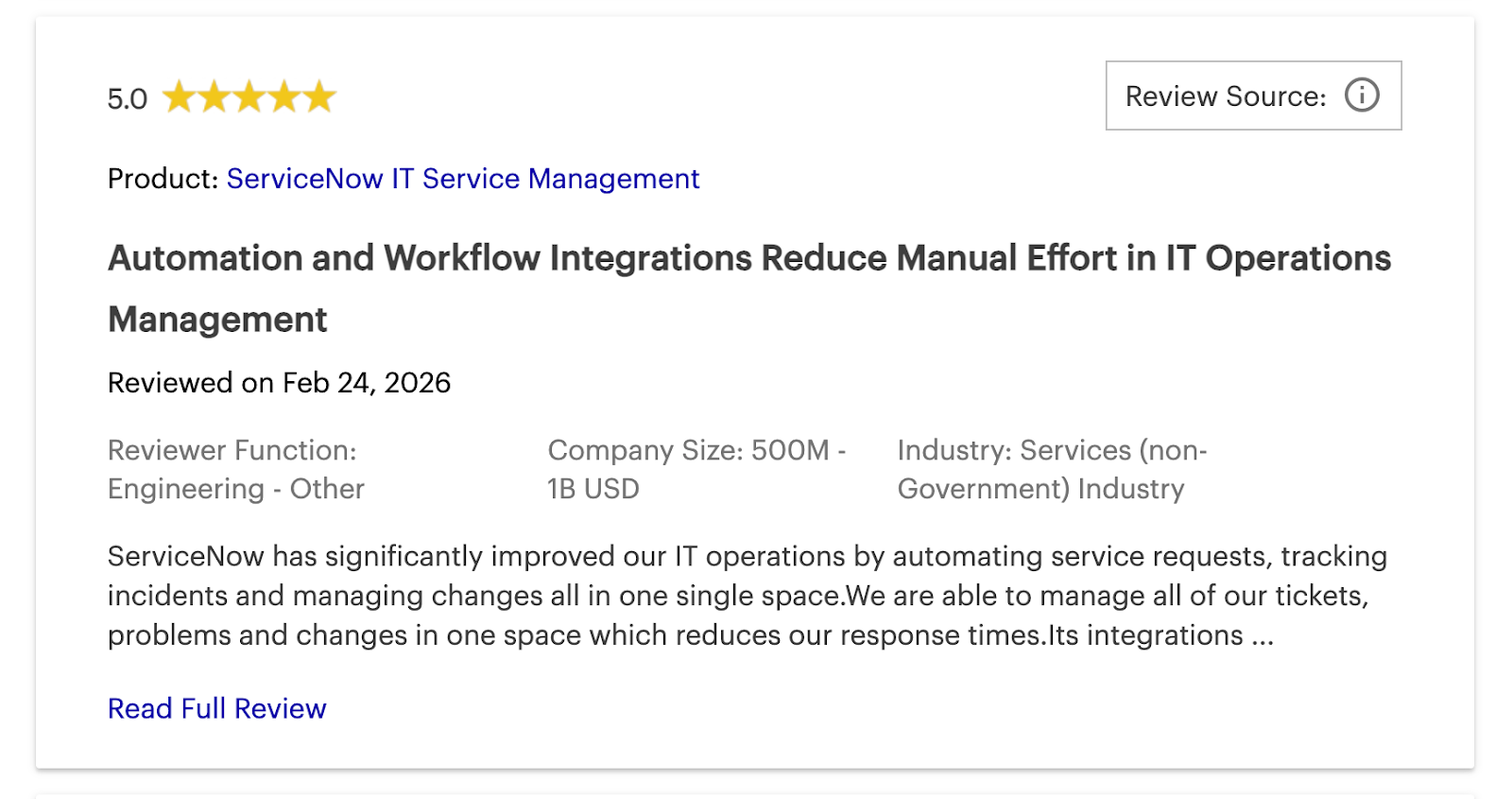
- The platform is completely web-based. Enterprises do not need to install local software. They do not need to provision expensive physical servers. They avoid manually running complex upgrades, backups, and security patches.
- ServiceNow has unparalleled structural flexibility. The system logic can be molded to perfectly mirror unique compliance requirements. This allows businesses to build specific solutions like contract trackers and budget approval tools. They can build these right inside the native interface.
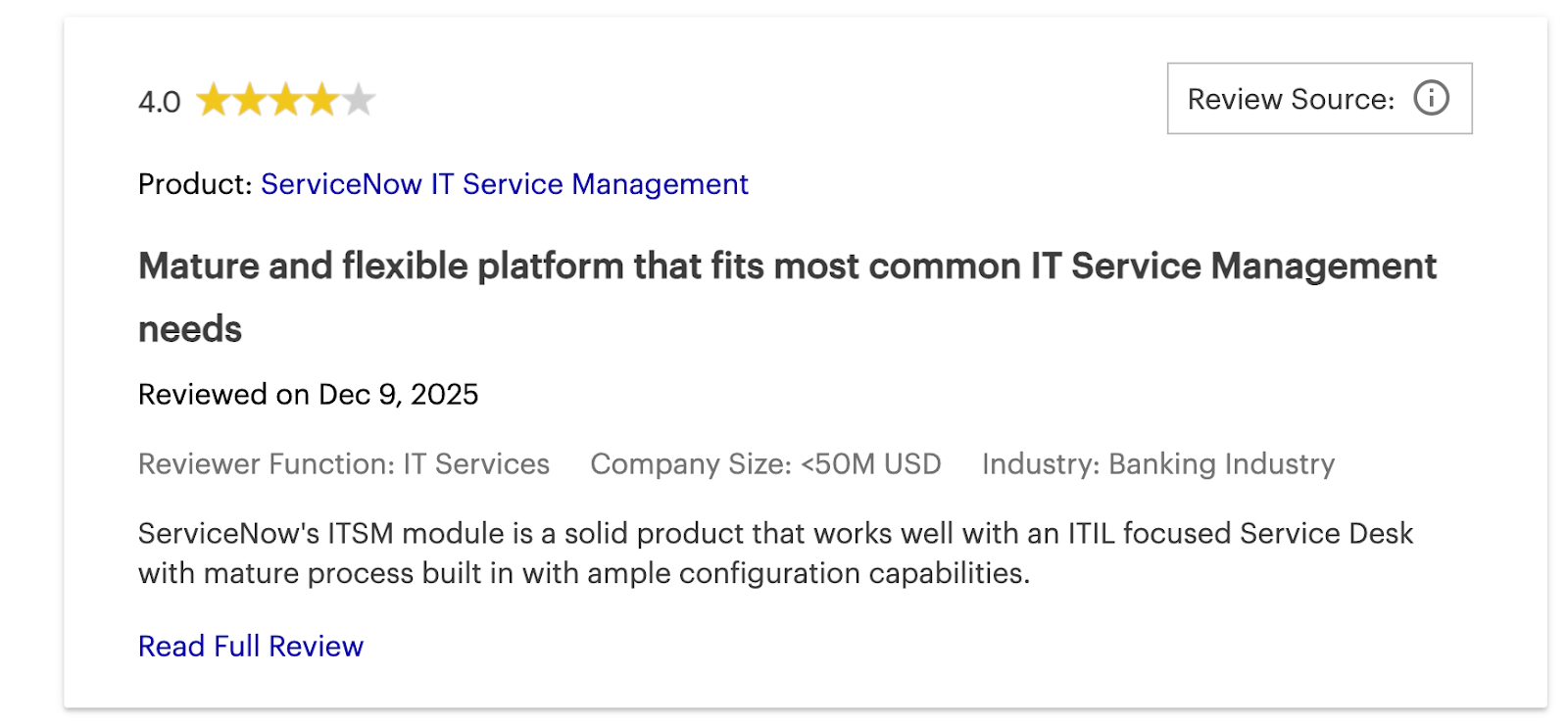
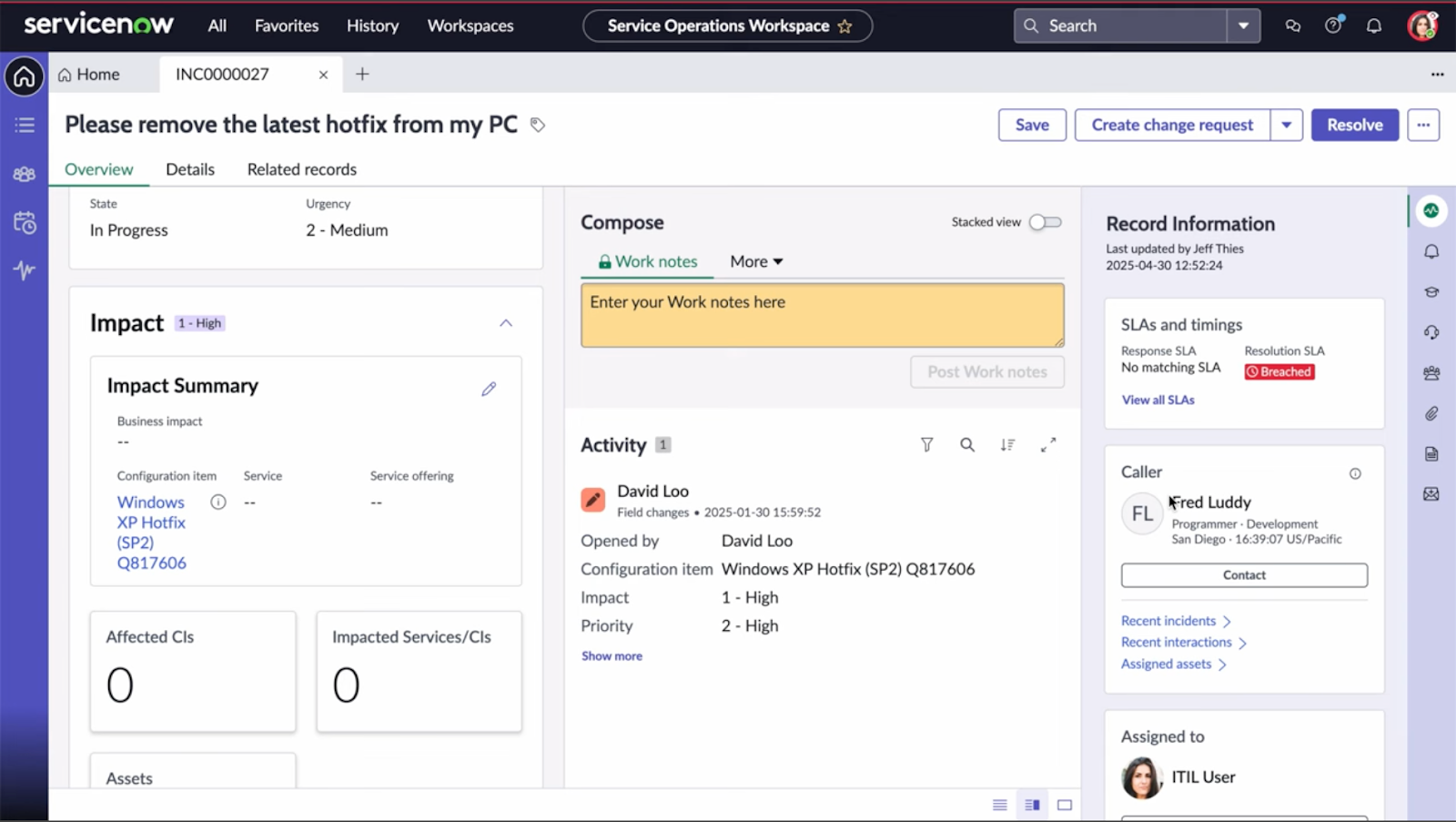
- Fulfillers are equipped with a single centralized workspace. They can instantly check assigned tickets here. They can review full activity logs and monitor SLAs. They can post necessary updates. They do all this without ever having to switch between different administrative systems.
- ServiceNow removes internal data silos through a universally recognized unified data model. Administrators can actually open the system definition application to view any table. They can check underlying data types. They can visually explore the database integrations without any guesswork.
ServiceNow Cons
- The total cost of ownership is exceptionally high. This includes steep licensing and deployment fees.
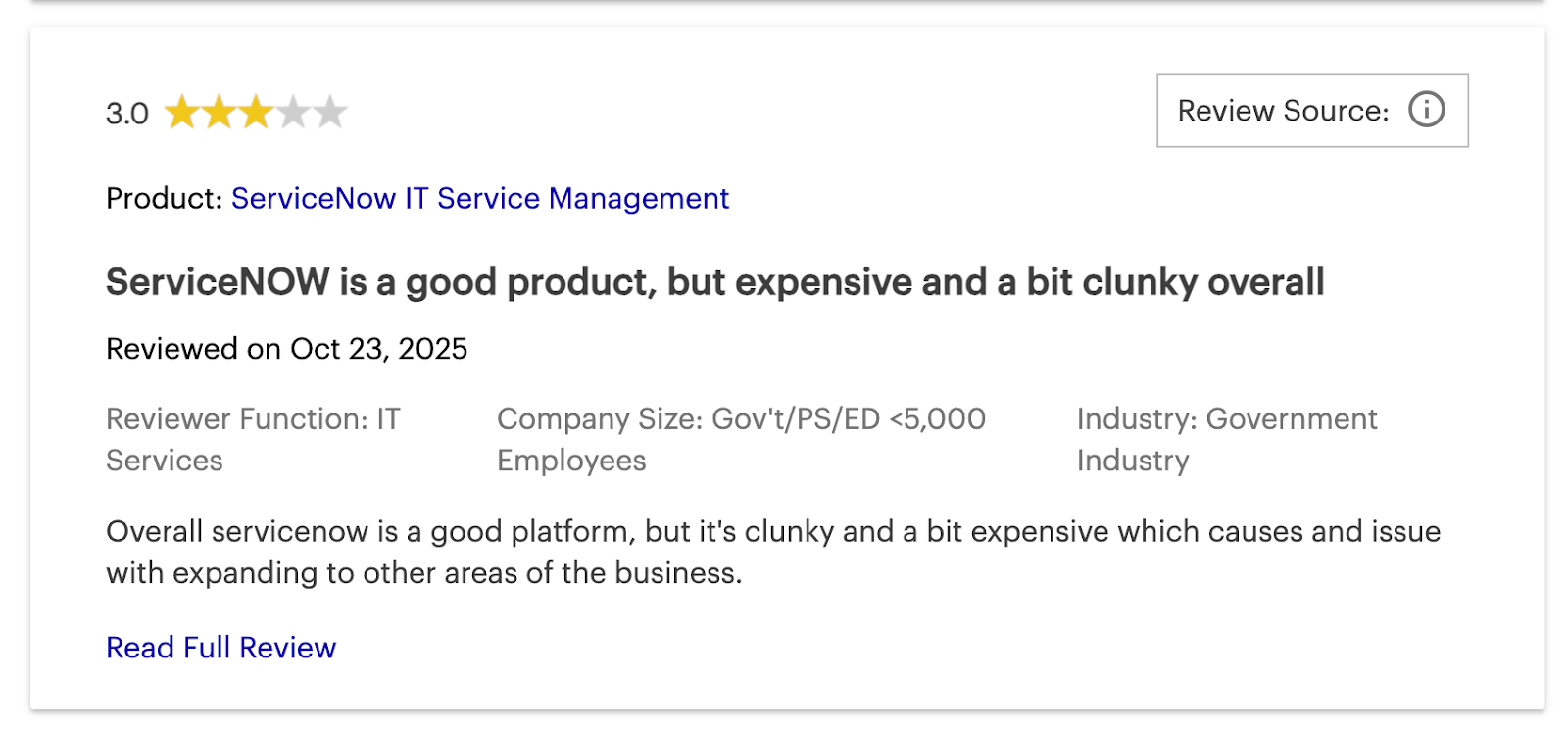
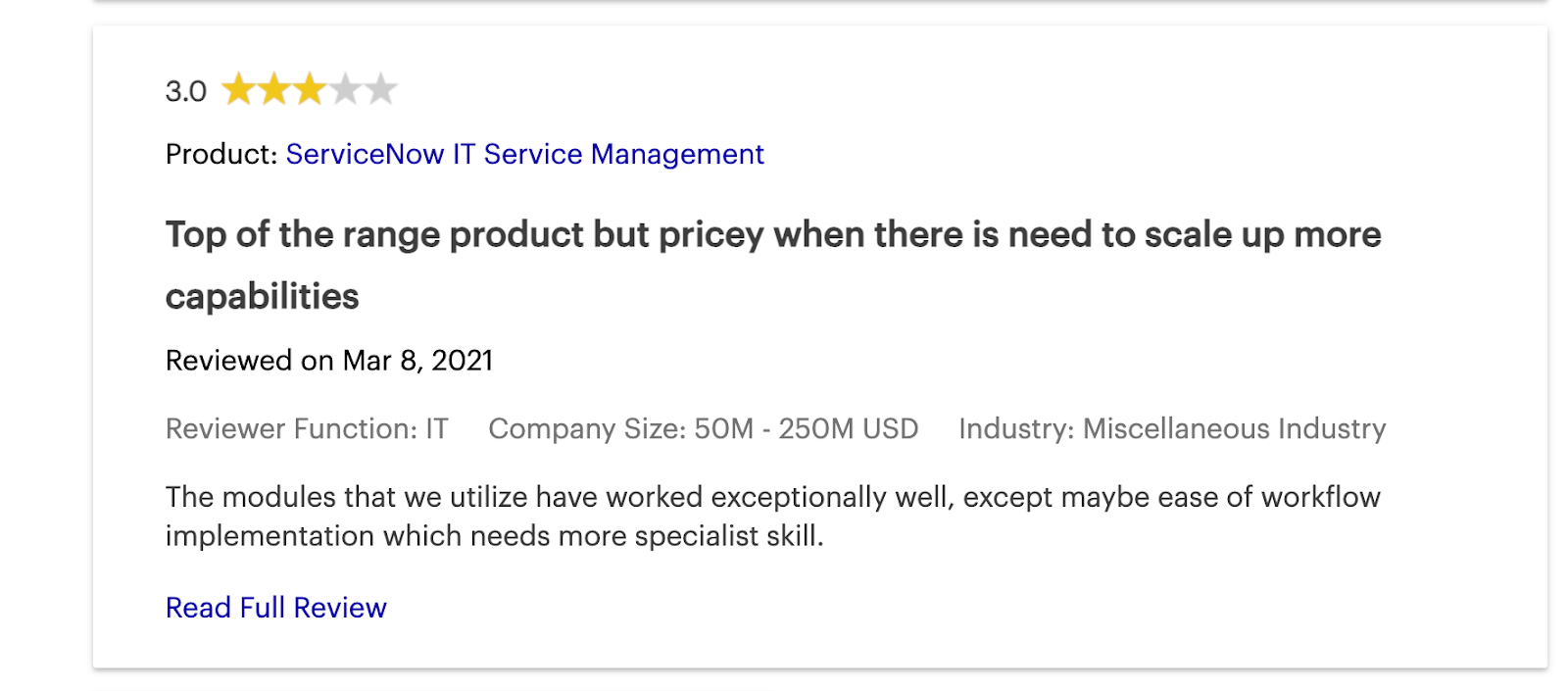
- There is a notoriously steep learning curve for backend system administrators and developers. They face this when trying to grasp the immense scale of the Application Navigator. They also face this with the underlying relational architecture.
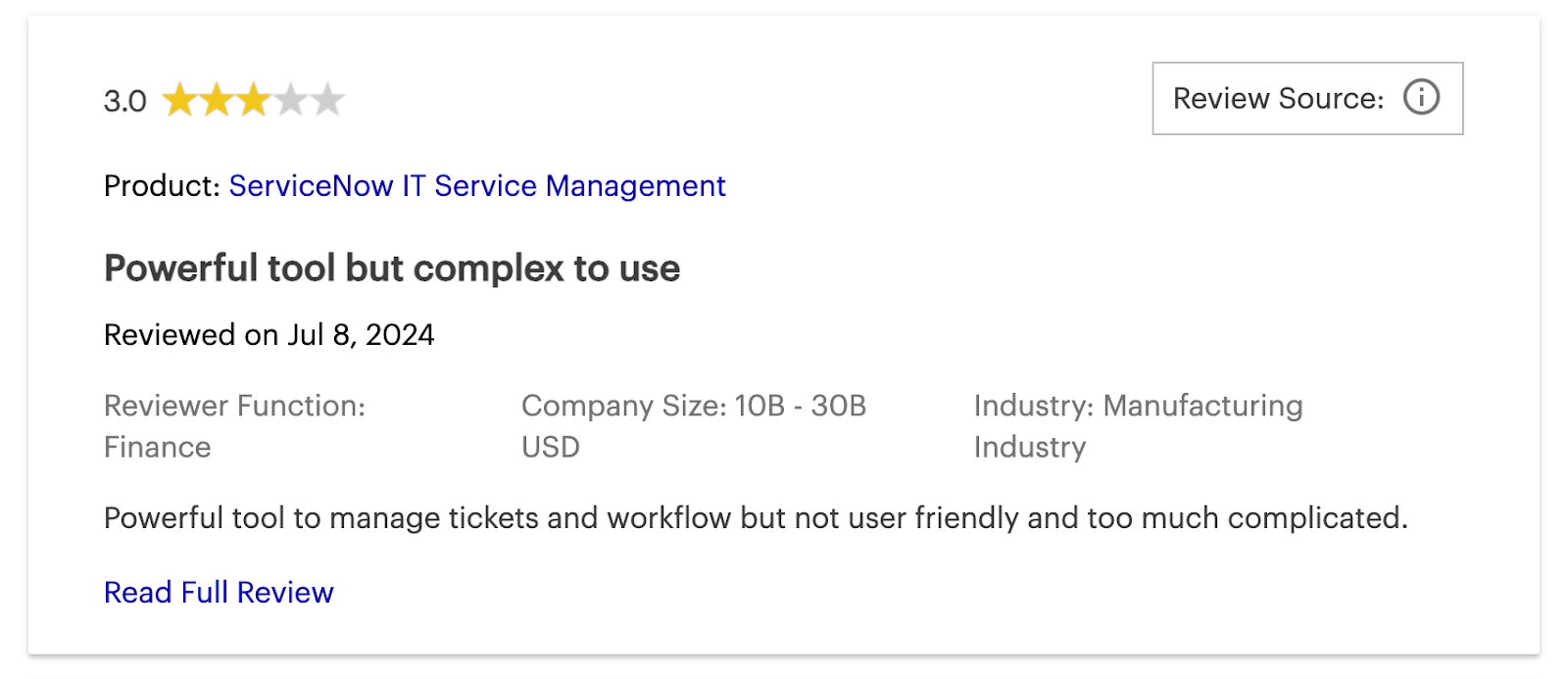
- There is a heavy reliance on expensive third-party deployment partners. This is needed to extract full value from custom scripting tools. ServiceNow is also needed for advanced development environments.
- Vendor support for severe, platform-level architectural bugs can sometimes be opaque. This support can also be prolonged.
Disclaimer: This review is based on our own independent research. ServiceNow is also based on publicly available information in the review sites.
ServiceNow Pricing and Career Ecosystem
The financial commitment required to deploy and maintain ServiceNow is substantial. ServiceNow does not publish fixed public pricing lists. ServiceNow utilizes a highly customized, subscription-based model. This is heavily influenced by geographical location and company size. The ITSM platform is also influenced by selected modules and negotiated multi-year contractual terms.
- The vast majority of software licensing expenditures come from Fulfiller licenses. Industry estimates indicate pricing for a primary ITSM Fulfiller license. ServiceNow generally ranges from $70 to $150 per user per month.
- Initial deployment fees for small to mid-market companies typically range from $20,000 to $50,000. Large-scale enterprise deployments involving legacy data migration can easily scale in cost. They often range between $100,000 to over $500,000.
The ServiceNow Certified System Administrator (CSA) certification consistently ranks as one of the highest-paying IT credentials available. ServiceNow yields a massive return on investment for technical professionals.
Interestingly, deep technical coding experience is not strictly required. Individuals comfortable with process mapping and problem-solving can do well. People comfortable with spreadsheet logic can also easily excel in this highly lucrative ecosystem.
Verdict for pricing alone: 6.0/10
ServiceNow Usability and Interface
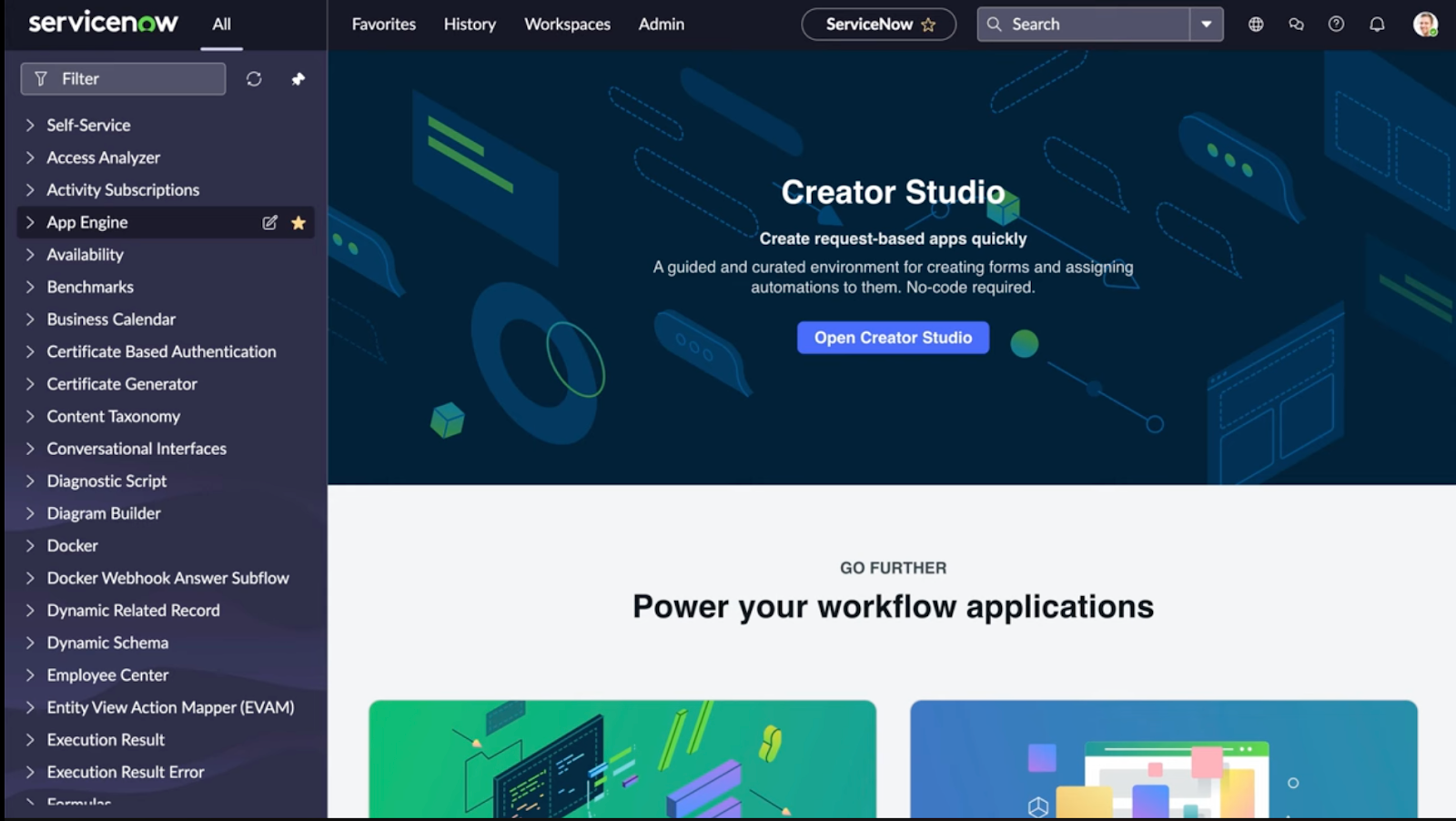
User feedback across highly authoritative enterprise review platforms reveals a split perspective. This split is regarding the ServiceNow User Experience. This split is directly correlated to the technical proficiency of the user.
- The user interface is frequently praised by general end-users acting in a Requester capacity. They find it highly intuitive, clean, and accessible. The interface boasts a standard header bar. This bar contains the main menu and centralized settings. ServiceNow also has help resources and a universal search function.
- There is an intentional consistency of the interface design across various functional modules. This drastically lowers operational resistance.
- Everything the user opens renders smoothly within the central main workspace. This includes submission forms, detailed lists, or high-level dashboards.
- Conversely, the platform presents a notoriously steep learning curve for system administrators and high-level Fulfillers. This curve can occsionally be frustrating.
- The sheer architectural breadth of the Application Navigator can be highly overwhelming. This navigator houses the immense catalog of applications for the company. Newly onboarded IT personnel often feel this way.
Verdict for Usability: 8.5/10
Verdict for Interface: 7.0/10
ServiceNow Primary Functionalities
ServiceNow possesses a vast product suite. ServiceNow is categorized into highly specialized workflow suites. These all run on the single, underlying data model of the ServiceNow Platform.
The architecture of ServiceNow effectively consists of three primary pillars. The first is a giant structured relational cloud database. The second is a vast suite of built-in operational applications. The third is a highly customizable development environment.
- This unified data model prevents the formation of internal isolated systems. It ends a deeply wasteful practice. That practice involves manually building fragile integrations between disconnected departmental databases.
- The primary functional domains include IT Service Management and IT Operations Management. They also include Customer Service Management, HR Service Delivery, Security, Facilities, and Finance. Additionally, they cover High-Level Portfolio Management. The ITSM suite remains the foundational center of the platform.
- The Customer Service Management module differentiates itself substantially from traditional CRMs. ServiceNow does this by centering strictly on resolution-oriented customer service.
- Furthermore, functionality spans far beyond just IT and software. A physical ceiling tile might need replacing. If so, an employee can easily submit a facilities request. This routes to the appropriate maintenance personnel immediately. This happens without any back-and-forth email confusion.
Cumulative Verdict for Primary Functionalities: 9.5/10
ServiceNow Security Features
The assessment of ServiceNow is inextricably linked to its aggressive, platform-wide addition of Artificial Intelligence.
Domain-specific Large Language Models power these GenAI features. They operate under strict corporate governance. They utilize data encryption, vulnerability scanning, and safety detection guardrails. The subsequent Zurich release optimized the underlying architecture. This was done to support intense computational requirements.
The ServiceNow AI Control Tower is a central part of this environment. ServiceNow is a centralized governance hub. It is designed to monitor, manage, and assess performance.
It also checks the ethical compliance of all AI agents deployed across the enterprise. This setup guarantees that human operators remain effectively in the loop.
ServiceNow Reporting and Analytics
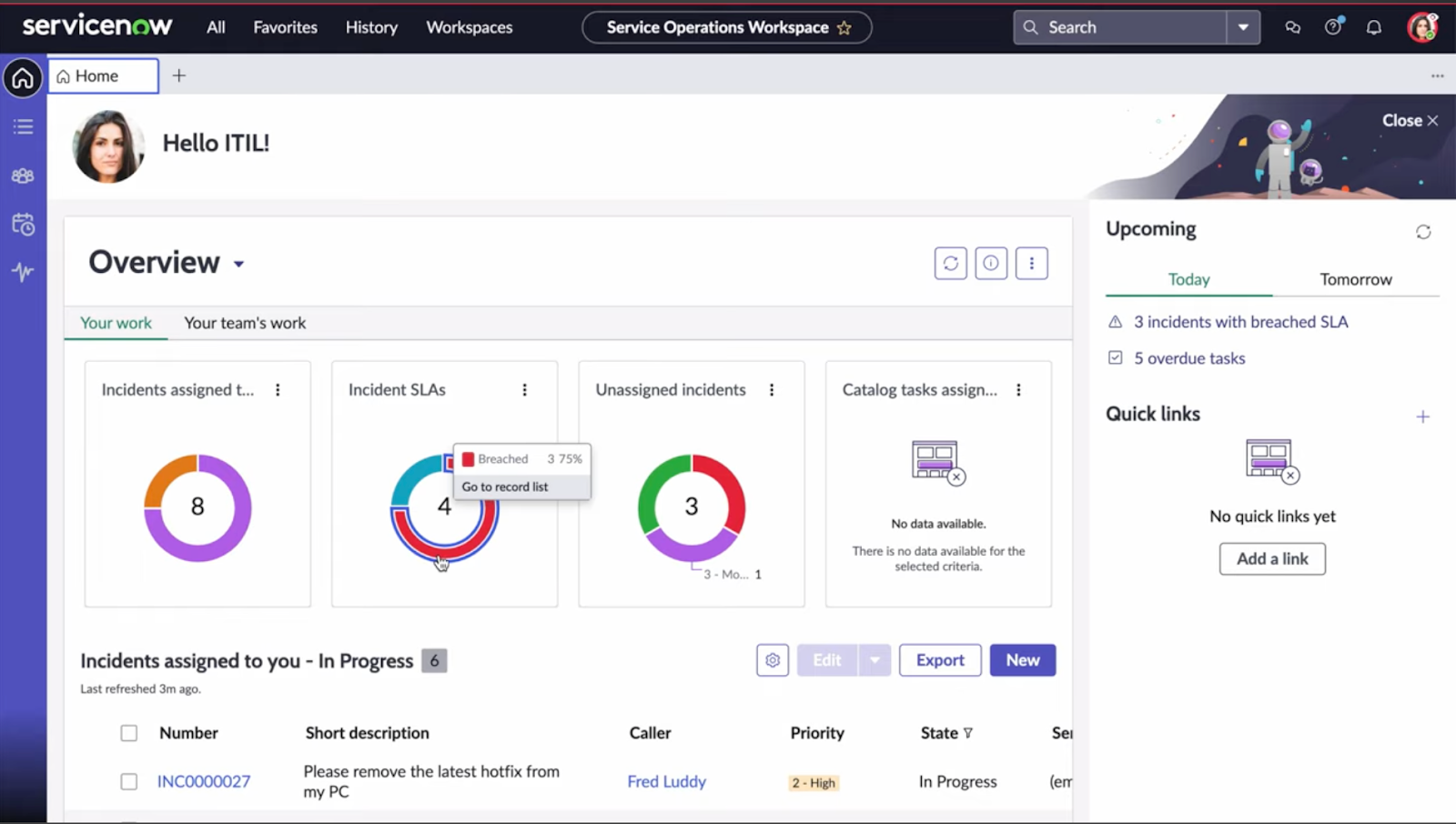
Historically, deploying monolithic enterprise platforms presents a significant structural challenge. This is the inevitable degradation of reporting performance as the database grows. Analytical operations compete directly for limited compute resources. They compete with standard, high-volume transactional processes.
ServiceNow explicitly addressed this fundamental architectural bottleneck with the introduction of RaptorDB. This is a next-generation, high-performance database. ServiceNow is engineered specifically to support ultra-scale operations.
RaptorDB utilizes a highly sophisticated Hybrid Transactional and Analytical Processing setup.
Verdict for Reporting and Analytics: 9.0/10
RaptorDB handles extreme backend growth. Connecting a specialized layer like Thunai AI Agent can massively improve your reporting and analytics workflows.
But to overcome this, Agentic AI middleware like Thunai AI can smoothly connect with ServiceNow to intelligently populate disparate data sets faster. TThis leads to better and faster decisions so users can avoid getting bogged down in complex dashboard configurations.
ServiceNow Customer Support
Aggregated market data indicates a highly complex support environment. This is characterized by truly excellent asynchronous educational resources. However, direct human support interactions are highly variable. They can also be frustrating.
- ServiceNow unequivocally excels in its supply of self-service resources and technical documentation. The built-in knowledge management system and active community forums serve as highly effective repositories.
- Some people look to build their administrative credentials. For them, there are exceptional third-party plain-language study guides available. There are also thorough CSA masterclass hubs. These simplify the learning process directly in the platform.
- However, direct technical support experiences with the vendor face issues. They are subject to heavy and consistent criticism in the marketplace.
- A significant cohort of legacy customers report extreme difficulty. They struggle to secure highly competent, direct technical support from the vendor. This happens when they face severe system issues.
ServiceNow Review
To fully and accurately contextualize the value proposition of ServiceNow, it must be judged rigorously. ServiceNow must be compared against its primary market alternatives.
For instance, Salesforce (a ServiceNow alternative to some) is designed to optimize external, customer-facing processes. On the other hand, ServiceNow was engineered from the ground up to automate internal business processes.
As a platform, ServiceNow was built to consolidate disparate departmental systems into one cloud database. And in doing so, the ITSM tool improves overall operational workflows.
ServiceNow has undeniably proven itself as the premier operational framework for the modern, digital enterprise. The ITSM platform makes virtually everyone inside the company far more productive.
The platform successfully transitioned from a highly localized IT ticketing tool. It is now a highly detailed system of action. ServiceNow powers banks, universities, and retailers alike. The Now Platform supplies unparalleled technological tools.
These are used for dismantling rigid corporate structures. They also grant executive leadership real-time operational visibility.
Improve ServiceNow Features by integrating with Thunai AI
ServiceNow supplies an unmatched foundational architecture for workflow coordination. But MANY ServiceNow users on Reddit state that it can be cumbersome and inconvenient when implementing customization.
Which is why, Thunai AI is a great option to simplify reporting and for automating workflows.
Alongside this, Thunai AI can automate processes in ServiceNow for highly customized AI agent support that does come with the typical dev or expert costs - with Thunai AI in ServiceNow, you get:
- Automated RCA for ETL: Thunai can track bugs and incidents by gathering data from connected systems. The system finds contextual conflicts across your documents and helps you fix them.
- Thunai MCP: This system links all your software through a deep integration layer. Thunai can fetch and update records between ServiceNow and other software systems in real time.
- Automate Ticket Creation and Closure: Turn insights into actionable tickets for your engineering teams. Thunai automates ticket resolution and closure within 0.8 seconds.
- AI Agent Copilot: Help agents pull relevant customer history to get answers using the Thunai Brain. Thunai also gives live suggestions and on-demand answers during your calls.
- Multilingual Support: Workflows can translate in realtime across text, voice, and email channels in over 150+ languages.
- Automate Escalating Issues Instantly: Live sentiment analysis sends alerts if it detects negative sentiment for direct human escalation. Trend analysis also notifies your teams about new issues automatically.
Want to improve your ServiceNow automation? Why not see how Thunai can transform your service desk support!
FAQs on ServiceNow
Is ServiceNow good for IT service management?
Yes, it is universally recognized as the market leader. The ITSM suite is the foundational center of the platform. Founder Fred Luddy deliberately built ITSM principles directly into the platform. This gives companies a deeply structured, formalized way to run IT exactly like a business.
What is ServiceNow pricing for an enterprise?
Primary ITSM Fulfiller licenses range from $70 to $150 per user per month. But this can vary based on specific modules and add-ons.
How strong is ServiceNow as a control layer across multiple enterprise systems?
It is exceptionally strong. It serves as an intelligent overlay. This coordinates workflows across existing systems of record. Fulfillers can track assigned tickets, post updates, review SLA metrics, and tap into knowledge articles from a single workspace. This perfectly removes the need to constantly switch between software environments.
What integrations strengths matter most when replacing fragmented IT operations tooling?
The most important strength is the universally recognized, shared relational cloud database. This native architecture guarantees that every single application works together smoothly. This includes built-in modules and completely custom-built solutions. It does this without requiring fragile data-copying links.
Which enterprise integration scenarios favor ServiceNow architecture?
Scenarios requiring massive cross-departmental coordination heavily favor ServiceNow. For example, look at complex employee onboarding. The platform takes a single new hire form. It then instantly cascades autonomous tasks across HR, IT, facilities, and physical security. This entirely stops manual tracking.
What integration patterns does ServiceNow support for organizing third-party AI agents securely?
It operates under strict corporate governance. It utilizes data encryption and safety detection guardrails. It uses these when interacting with external agents.
How well can ServiceNow manage handoffs between autonomous AI agents and human approvers?
The ITSM platform’s AI agents independently triage cases. They also generate plain-language summaries. These are specifically for human review and approval.
What technical and governance prerequisites should be in place before connecting third-party AI agents to ServiceNow?
Companies must have a highly accurate Configuration Management Database (CMDB) data structure set up first. They must also have disciplined internal workflows. The CMDB is absolutely necessary. It supplies an uncompromised map of relationships. It explicitly shows which applications rely on which underlying databases. It also shows the reliance on physical server hardware.


